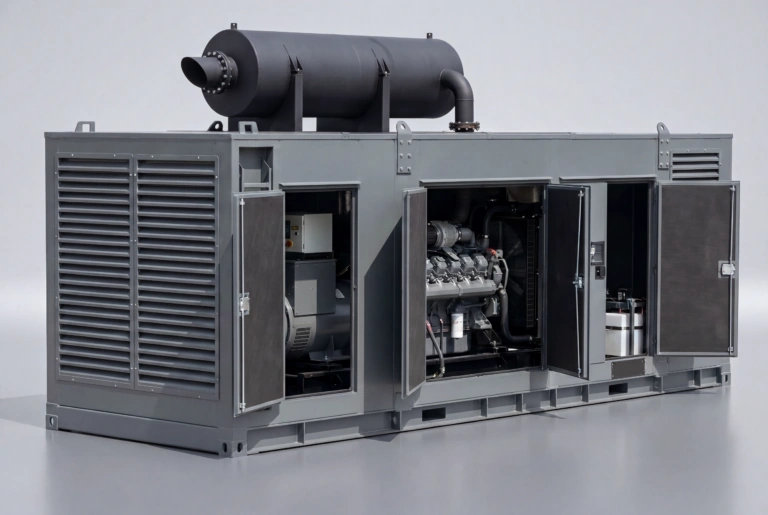


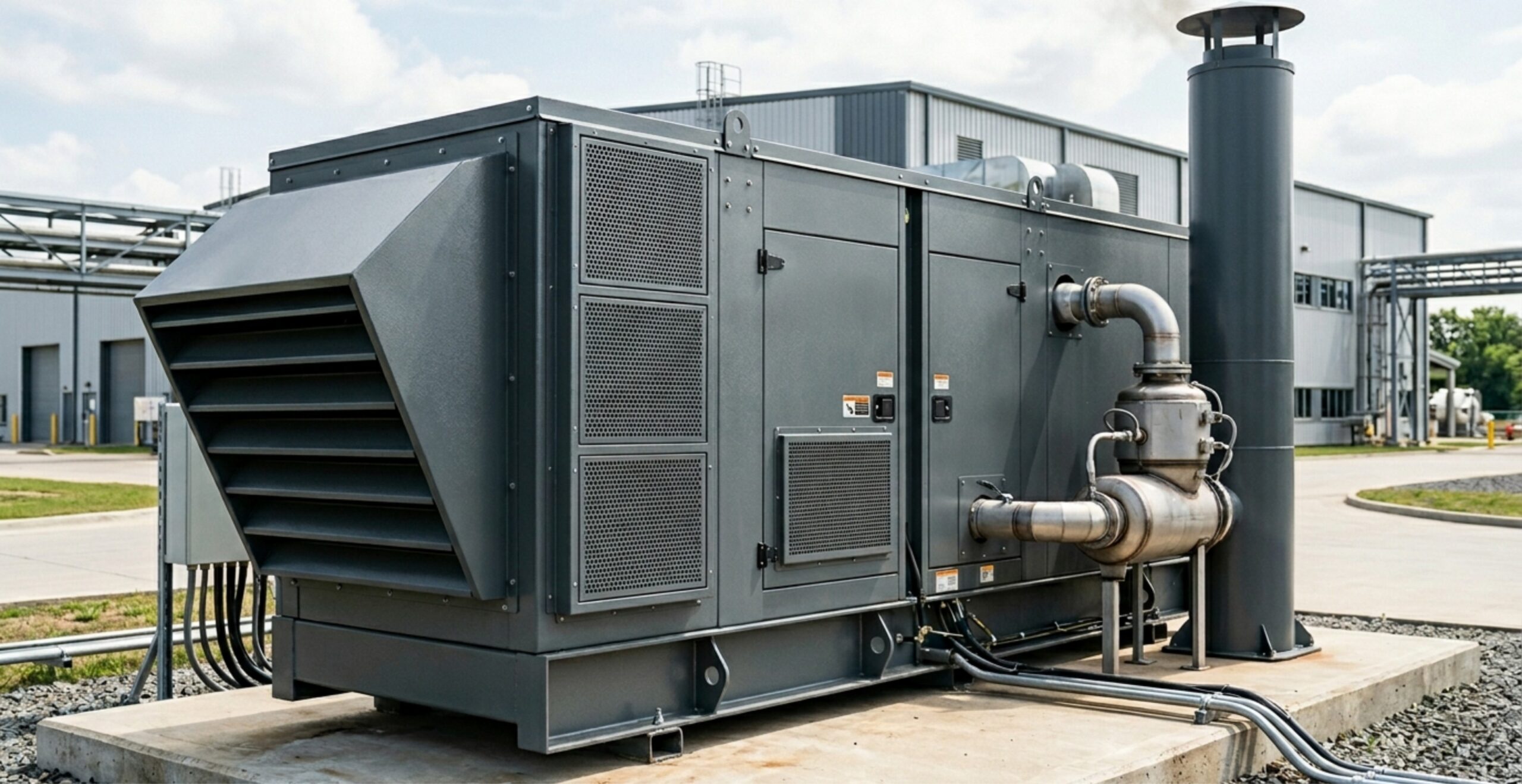
Data center capacity is being added faster than ever, and the schedule of a new building or campus is often set by how quickly its power infrastructure can be delivered and commissioned. Containerized generator sets - the engine, alternator and their auxiliary systems integrated into a transportable enclosure - have become a common answer. This article explains why, and what to look for when specifying them.
Building in Parallel
A generator hall built on site has to wait for the building around it. A containerized set is assembled and tested in a factory while civil works, foundations and cabling progress on site. When the containers arrive, they are set on prepared foundations and connected to fuel, cooling and electrical interfaces that were defined in advance. The site work that remains is connection and commissioning rather than construction.
The same approach makes expansion predictable. A campus can be planned in phases, with each phase adding identical generator containers as IT capacity grows, and every container carrying the same documentation, test records and spare parts.
What a Good Container Integrates
A container is more than a steel box around a generator set. A complete package typically includes:
- A structural enclosure - purpose-built steel or a converted ISO container - with a bunded floor to contain any leaking fluids.
- Acoustic lining and attenuated ventilation openings, engineered against a stated dB(A) target at a defined distance.
- Air inlet hoods, inlet and outlet attenuators and outlet chimneys that supply combustion and cooling air and discharge hot air without recirculation.
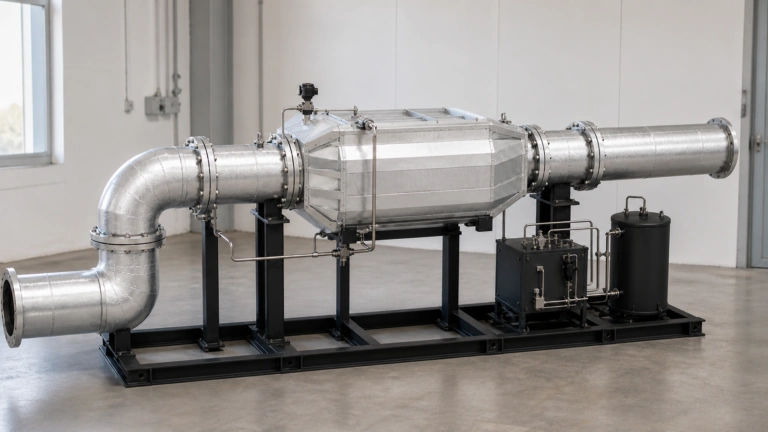
- Exhaust piping, silencers and, where required, SCR systems for NOx reduction.
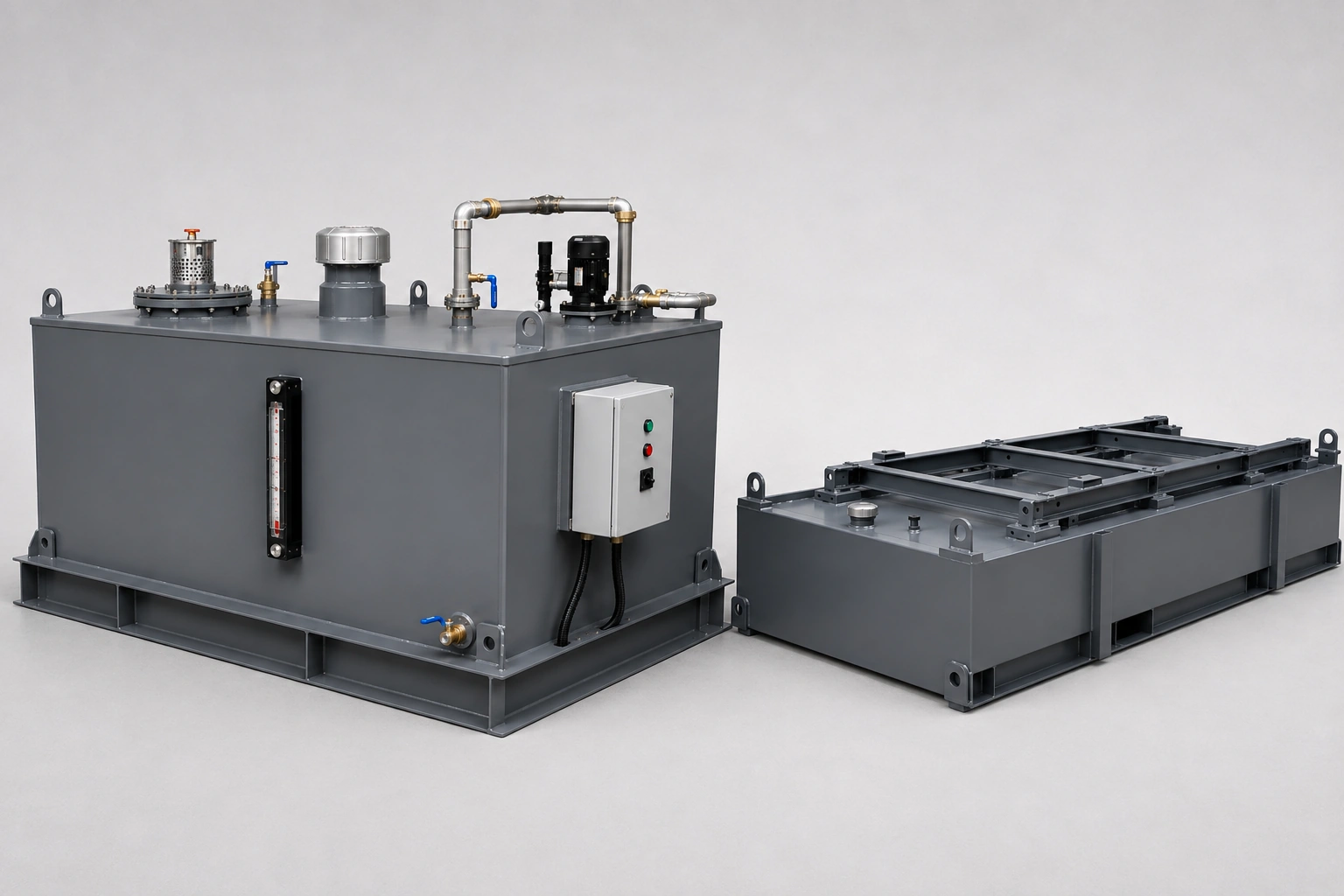
- Base or day fuel tanks, transfer pumps and fuel polishing.
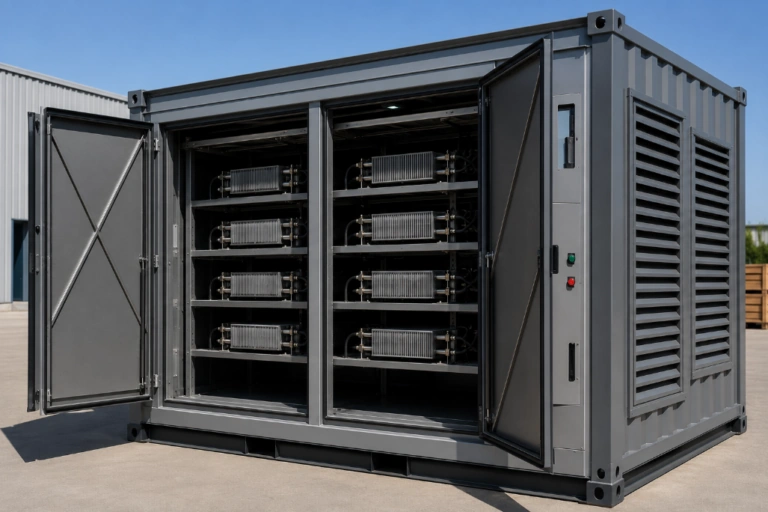
- Engine pre-heating, lubricating oil supply and the radiator interface.
- Auxiliary MCC cabinets, lighting, small power, fire detection and suppression, and the generator's breaker panel.
Because all of these are designed together, the interfaces between them - the points where most site problems appear - are resolved before the container leaves the factory.
Noise, Emissions and the Neighbours
Many new data centers are close to residential areas, and their permits set limits on noise at the boundary and on exhaust emissions during testing and operation. In a containerized design these limits are met inside the package: absorptive lining and splitter attenuators reduce noise, and exhaust aftertreatment reduces NOx. Because each generator set is normally tested regularly, the limits apply not only to rare emergencies but to routine operation, which makes them a design input from the very beginning.
Airflow on a Dense Campus
Large campuses place many generator containers side by side. The hot air discharged by one unit must not become the intake air of its neighbour, and the radiators must see the design ambient temperature, not a warmer recirculated stream. Vertical outlet chimneys, the orientation of inlets and outlets and the spacing between containers are therefore decided at layout stage, together with the cooling system.
Questions to Ask When Specifying
- Which generator rating, load steps and start time does the facility require?
- What is the noise limit, and at which distance and position is it measured?
- Which emission limits apply during testing and during an outage?
- How many hours of fuel autonomy are needed, and where is the bulk storage?
- What are the design ambient temperature and altitude of the site?
- How will the containers be transported, lifted and accessed for maintenance?
Conclusion
Containerization turns the generator plant of a data center into a repeatable, factory-tested product that can be delivered on the project's schedule. AXON Technic engineers containers matched to any engine-alternator configuration, integrating the air, exhaust, fuel, heating and electrical systems around the set. Talk to our team about your next data center project.